Cristian Romero Fires Back at Football Icon After Tottenham Branded a “Toxic Club”


Tottenham Hotspur captain Cristian Romero has firmly dismissed criticism from a widely respected football legend who recently branded him a “toxic captain,” insisting the description neither reflects his leadership principles nor the true atmosphere within the Spurs squad.
The comments, aired by Jamie Carragher during a prominent football debate, questioned whether Romero’s fiery personality and confrontational streak are appropriate for a captain tasked with bringing stability and consistency to Tottenham. The remarks quickly ignited discussion across the football landscape, with opinions divided over leadership styles and what Spurs require from their skipper.
Romero’s response, however, has come less through words and more through authority on the pitch.
Answering the Noise with Performance



Tottenham’s recent 2–0 victory has become a focal point in the debate. Coming amid increased pressure after a difficult spell, Spurs produced a controlled, disciplined display that emphasised structure, composure, and collective responsibility.
From the outset, Tottenham dictated the rhythm of the match. Their defensive shape remained compact, transitions were handled with intelligence, and there was a clear sense of calm in decisive moments — an area previously highlighted as a weakness.
At the heart of that composure stood Romero.
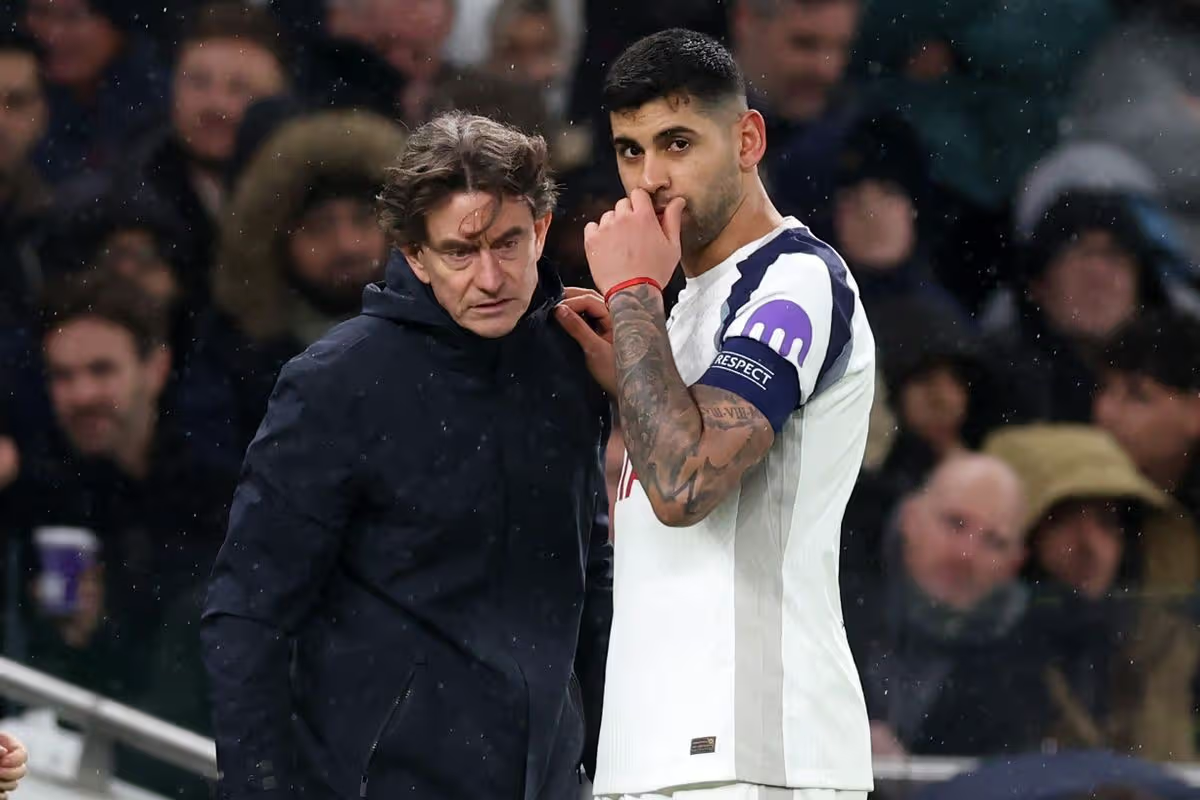
Rather than chaos, the captain brought control. He communicated constantly, stepped out decisively when required, and ensured the defensive line stayed organised throughout. It was a performance that challenged the idea of a leader whose influence creates instability.
Romero Responds
After the match, Romero addressed the criticism head-on, offering a measured and composed response.
“I respect opinions, especially from people who have achieved a lot in football,” Romero said. “But I don’t agree with being called toxic. Demanding standards and holding teammates accountable is part of leadership.”
The Argentine explained that his approach is driven by responsibility and commitment, not unchecked emotion.
“When you wear the armband at a club like Tottenham, you have to care deeply. You have to speak up when things aren’t right. That’s my duty.”
A Leadership Style Under the Microscope
Romero’s captaincy mirrors his playing style — intense, fearless, and emotionally charged. Critics argue that this level of passion can spill into confrontation, particularly during high-pressure moments.
Yet recent performances suggest a more nuanced reality. While Spurs have struggled at times earlier in the campaign, their response has been increasingly controlled. The 2–0 win highlighted improved game management, focus, and discipline from start to finish.
Rather than being overwhelmed, Tottenham imposed themselves — a clear sign of leadership translating into structure and authority.
Inside the Dressing Room
Within the club, Romero continues to command strong backing. Teammates see him as a leader who takes responsibility in difficult situations and refuses to shy away when standards drop.
Those close to the squad describe him as demanding and direct, but also fully committed to the team’s growth. His influence has been especially clear during moments requiring clarity and leadership on the pitch.
That influence was evident again in the latest victory, as Spurs defended as a unit, communicated effectively, and handled key phases of the game with maturity.
Fans Reject the “Toxic” Tag
Supporters have also rallied behind their captain. Many view Romero’s intensity as a necessary step forward for a club long criticised for lacking on-field authority and edge.
In the aftermath of the win, fan reaction centred on Tottenham’s organisation and composure. For many, the performance reinforced the belief that Romero’s leadership promotes accountability, not division.
“Games like that don’t get controlled without leadership,” one supporter noted.
A Wider Conversation
The episode has reignited a broader discussion about modern captaincy. While some favour calm, understated leaders, others argue that successful teams still need emotional figures who demand high standards.
Romero is clear on where he stands.
“Football is emotional,” he said. “The important thing is making sure that emotion works for the team.”
Letting Results Do the Talking
Despite the scrutiny, Romero remains focused on Tottenham’s objectives rather than personal narratives.
“People will always have opinions,” he added. “What matters is how we respond on the pitch.”
The 2–0 victory may not silence the debate, but it has reinforced Romero’s belief that his leadership is delivering discipline, resilience, and unity — not toxicity.
As Spurs head into a defining stretch of the season, their captain appears intent on allowing performances, not labels, to shape the verdict on his leadership.