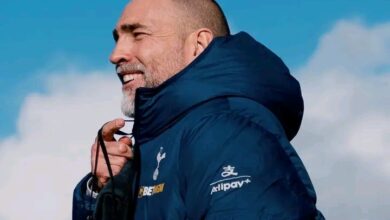
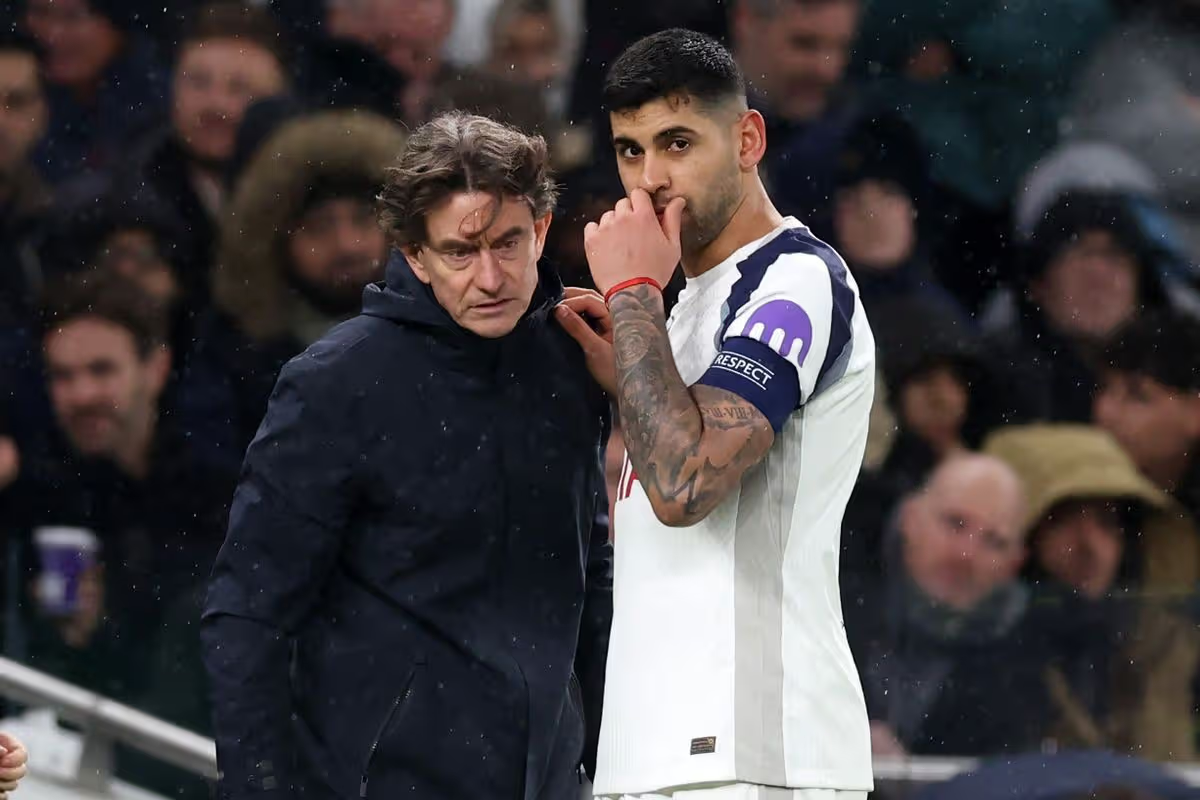
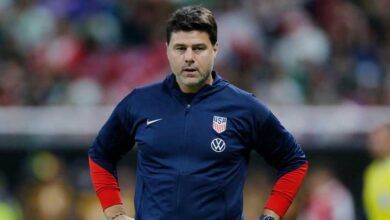
Igor Tudor’s appointment at Tottenham shows that the chaos at the club is far from over.
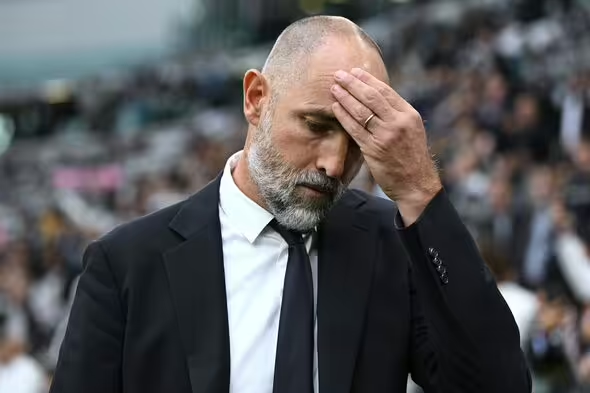

It’s a familiar story at Tottenham Hotspur. For the sixth time since 2019, the north London club are on the hunt for a new manager. Remarkably, it’s the second change since May, leaving supporters increasingly exasperated.
Thomas Frank becomes the latest departure from the dugout, unable to revive a side that has consistently flattered to deceive. Statistically, the Dane endured a torrid spell, registering a win rate of just 27 per cent during his eight months in charge — the lowest of any Tottenham manager in the Premier League era.
Yet it would be harsh to lay the collapse solely at Frank’s feet. He spent much of the campaign without two of his primary creative outlets, James Maddison and Dejan Kulusevski, while summer addition Mohammed Kudus suffered a serious injury toward the end of 2025. A broader injury crisis compounded matters, disrupting momentum and limiting options. Whether through misfortune or questionable planning behind the scenes, instability has become an unwelcome hallmark of Tottenham’s recent years.
Against that backdrop, the decision to appoint Igor Tudor as interim head coach has raised eyebrows. The Croatian arrives without prior experience in English football, and his most recent managerial spell ended in disappointment. After briefly steadying Juventus as caretaker, he was handed the role permanently largely due to a lack of alternatives. By October 2025, however, he had been dismissed following an eight-match winless run.


Tudor’s tactical approach also presents potential challenges. He typically favours a three-man defence — a system that may prove problematic for a squad that has struggled to keep even two central defenders fit. His preference for aggressive, high-intensity football further fuels debate, given how similar demands have tested the squad in the past.
There remains a scenario in which the appointment achieves its short-term objective. Tudor could guide Spurs clear of relegation trouble and stabilise the campaign before a longer-term successor, such as Mauricio Pochettino or Roberto De Zerbi, is considered in the summer. Early indications suggest the role is not intended to become permanent — a decision that aligns with Tudor’s recent track record.