Howard Webb’s reasoning about John Stones’ goal versus Van Dijk’s situation is absolutely baffling.
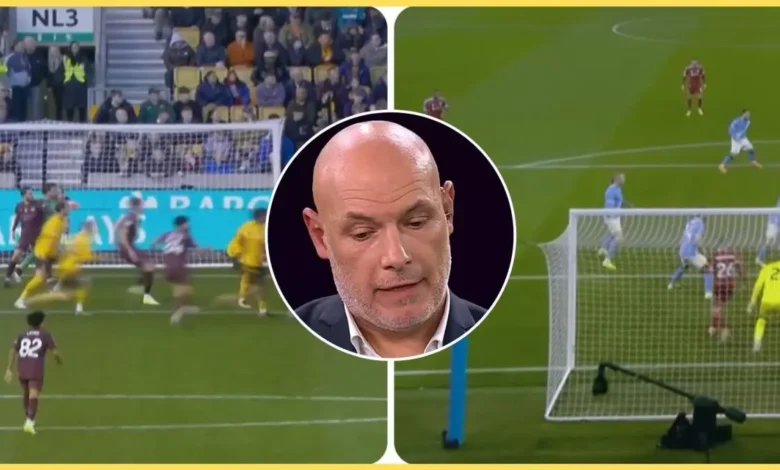

Howard Webb has offered an explanation as to why John Stones’ goal in Manchester City’s victory over Wolves last season was allowed to stand, while Virgil van Dijk’s strike at the Etihad Stadium on Sunday was ruled out.
Both moments shared striking similarities — each came from a corner, featured an attacker standing near the goalkeeper in an offside position, and saw the ball end up in the net before the assistant’s flag was raised. Yet, while VAR overturned the on-field decision at Molineux 13 months ago, the technology upheld the disallowance of Van Dijk’s goal at the weekend.
Webb clarifies the difference
Speaking on the Premier League Match Officials Mic’d Up show on Tuesday — where the VAR audio from the Liverpool incident was released — Webb was asked by Michael Owen why two almost identical cases produced opposite results.




According to the PGMOL chief (via Sky Sports), “There’s a clear distinction here. The ball goes directly over Jose Sa’s head and doesn’t pass over Bernardo Silva. Silva, though offside when Stones heads the ball, moves away from the flight of the ball. The ball travels over Sa, not Silva, unlike the Liverpool situation where the ball went over Andy Robertson, who ducked below it.
“It’s hard to say Sa was affected by Silva’s movement. If the ball had gone over Silva’s head and made Sa hesitate, then we’d likely have confirmed the on-field call of disallowed goal.”
Fans left unconvinced
Webb’s explanation has done little to ease frustration. Many supporters have pointed out that during the Molineux incident, Silva clearly stepped toward Sa and even made contact before moving away — an act that arguably interfered more than Robertson’s position did with Donnarumma on Sunday.
Instead of settling the debate, Webb’s comments have only deepened Liverpool fans’ anger, who see his reasoning as inconsistent and confusing. Once again, supporters are questioning how top officials reach such contradictory decisions and why there seems to be so little accountability or improvement in Premier League refereeing standards.