Liverpool’s Anfield and Manchester United’s Old Trafford left out of Euro 2028 venues — here’s the reason why

The UK and Ireland successfully secured the bid to host Euro 2028, with UEFA confirming their joint proposal. But while excitement might have been expected to rise following the official announcement of the chosen venues — including where England will play their group matches if they qualify — the overall reaction has been rather muted.
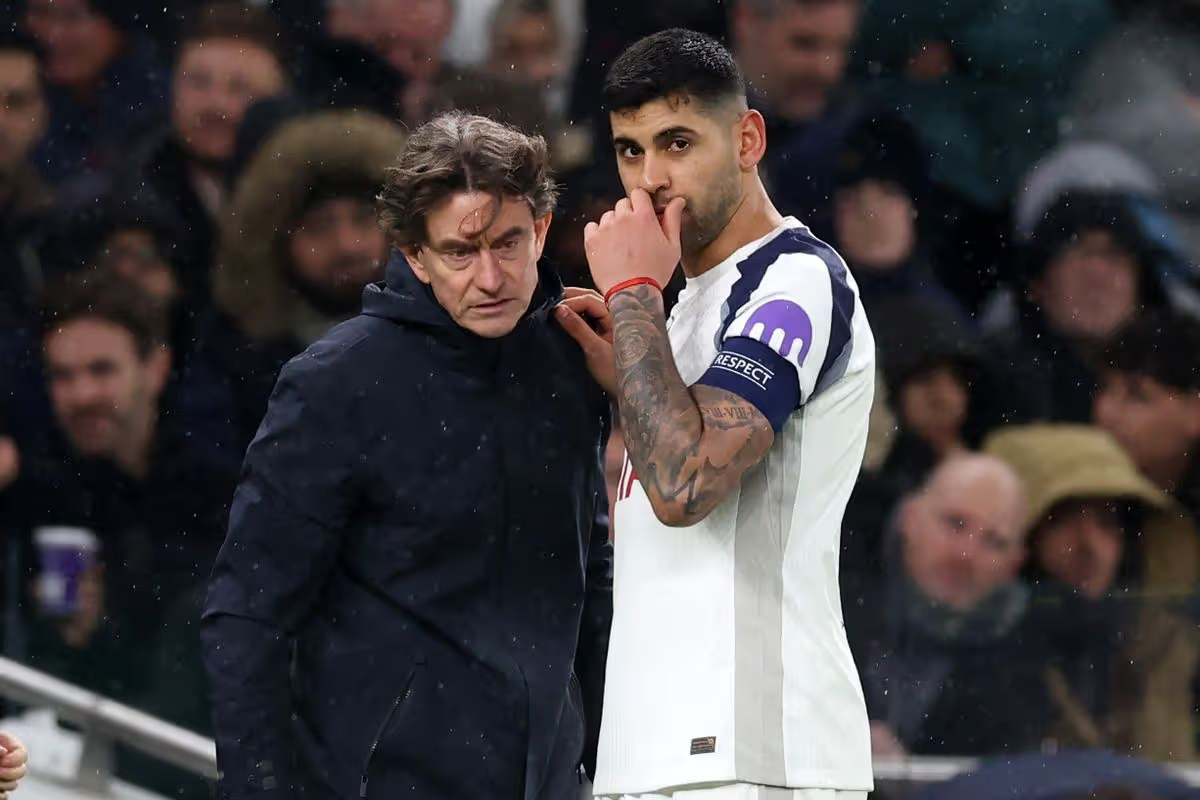
Wembley Stadium will once again take the spotlight, staging the final and several key knockout fixtures. Other selected venues include Glasgow’s Hampden Park, Dublin’s Aviva Stadium, and the modern grounds of Tottenham Hotspur and Everton. If England qualify directly, their opening games under Thomas Tuchel are expected to take place at Manchester City’s Etihad Stadium.
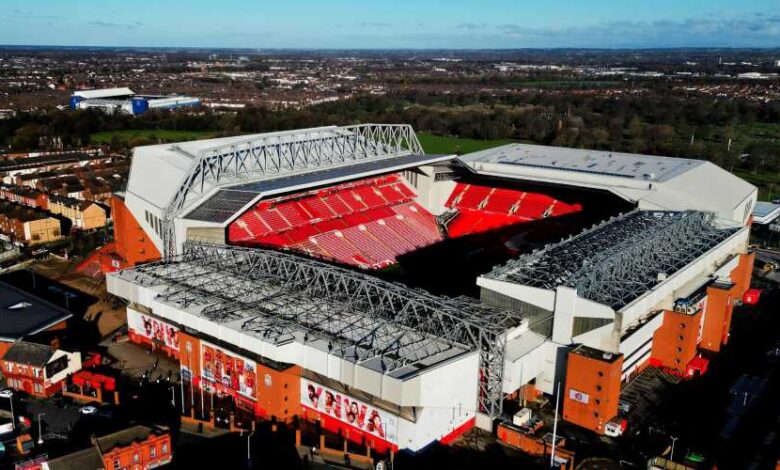
However, two of the nation’s most famous football arenas — Liverpool’s Anfield and Manchester United’s Old Trafford — have both been left off the list. While their absence initially raised eyebrows, clear reasons have now been given for each.
Why Anfield Missed Out




Anfield’s omission is mainly down to UEFA’s strict pitch-size requirements. To host matches in the tournament, the playing surface must measure 105 metres by 68 metres. Unfortunately, Anfield falls short by about four metres, with its stands positioned too close to the field to allow any expansion.
As reported by the Liverpool Echo, this issue has long limited the ground’s eligibility to host major finals, such as the Champions League or Europa League, and explains why England’s national team hasn’t played there since 2006.
Anfield last featured in an international tournament during Euro 1996, when it hosted several group games and a quarter-final. This time, Merseyside’s representation will instead come from Everton’s new 52,769-capacity Hill Dickinson Stadium.
Though smaller in size, it meets UEFA’s technical standards, and most Liverpool fans are unlikely to be too concerned, given the city’s limited enthusiasm for international fixtures.
Why Old Trafford Was Dropped
Old Trafford, meanwhile, was excluded for entirely different reasons. Despite its rich history and global fame, Manchester United’s home has been showing its age in recent years, with ongoing complaints about outdated facilities and viral clips of its leaky roof.
Initially included in the FA’s proposal, the stadium was later withdrawn due to uncertainty surrounding its future redevelopment. The Manchester Evening News reported that after discussions between United and the FA, both sides agreed to remove Old Trafford from the final list, as it was unclear whether the ground would be ready in time for the tournament.
United are currently exploring an ambitious overhaul of the entire site, with plans for a brand-new, world-class stadium potentially accommodating up to 100,000 spectators. However, no fixed timeline has been set, leaving its completion date unknown.
In short, while Anfield’s absence comes down to physical limitations, Old Trafford’s stems from long-term rebuilding plans. Both clubs will still play a part in England’s footballing landscape — just not as Euro 2028 hosts.