Tom Werner’s visit to Anfield sends a strong message following the Forest defeat, according to BBC.

Liverpool’s recent defeat has reignited debates over the trajectory of the reigning champions, though the story may extend beyond just the on-field struggles.
According to BBC Sport’s Phil McNulty, Arne Slot “is no longer trying to save Premier League champions Liverpool from a stumble” following the 3-0 loss to Nottingham Forest. McNulty described the performance as “a headlong fall into the abyss,” labeling it “a full-blown crisis” for both the team and their embattled manager.
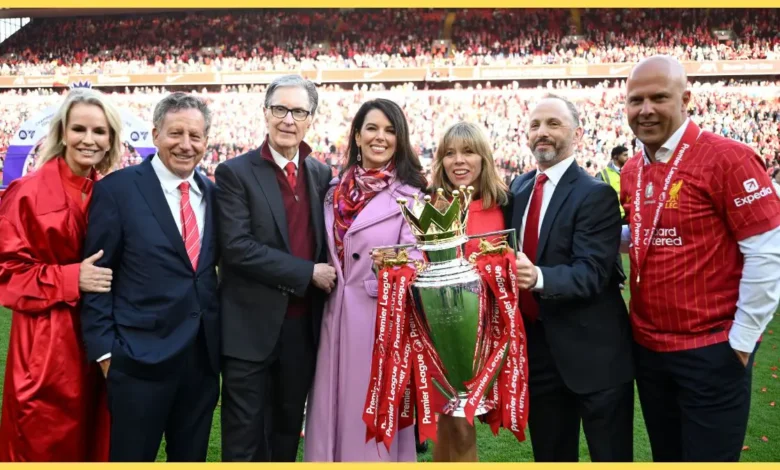
A particularly noteworthy aspect of the match was the presence of chairman Tom Werner at Anfield. Ownership figures are rarely seen in the stands, and McNulty highlighted that Werner “was at Anfield to witness a 3-0 loss… as poor as anything seen at home in recent years,” prompting speculation about the timing and purpose of his visit.
Werner’s presence adds another layer of scrutiny amid Liverpool’s ongoing struggles. His previous matchday visits have been rare, with notable appearances two years ago and last season by John Henry, typically coinciding with key moments or transfer decisions. That the chairman attended during one of the worst home defeats of Slot’s tenure may suggest internal discussions regarding results and performance standards.




Supporters may react with frustration at the poor form, but the owners’ visit could be interpreted either as a warning or as reassurance, depending on what unfolds behind the scenes.
The team’s broader crisis is reflected in the results: Liverpool have lost six of their first twelve league matches, echoing struggles last seen in 2014-15. The defeat to Forest made them only the fourth Premier League side in history to concede three or more goals at Anfield, with set-piece vulnerabilities remaining a pressing concern.
Slot will undoubtedly feel the pressure, particularly with Werner observing one of the lowest points of Liverpool’s title defense. While ownership visits have previously coincided with turning points, the impression is that immediate drastic action is unlikely—but the results cannot continue in this fashion.