Glorious failure or something more? PSG ultimately proved too strong for Tottenham, but Thomas Frank might just have uncovered a new blueprint in the process.


Glorious Failure? PSG Too Much for Tottenham, but Thomas Frank May Have Found a Blueprint
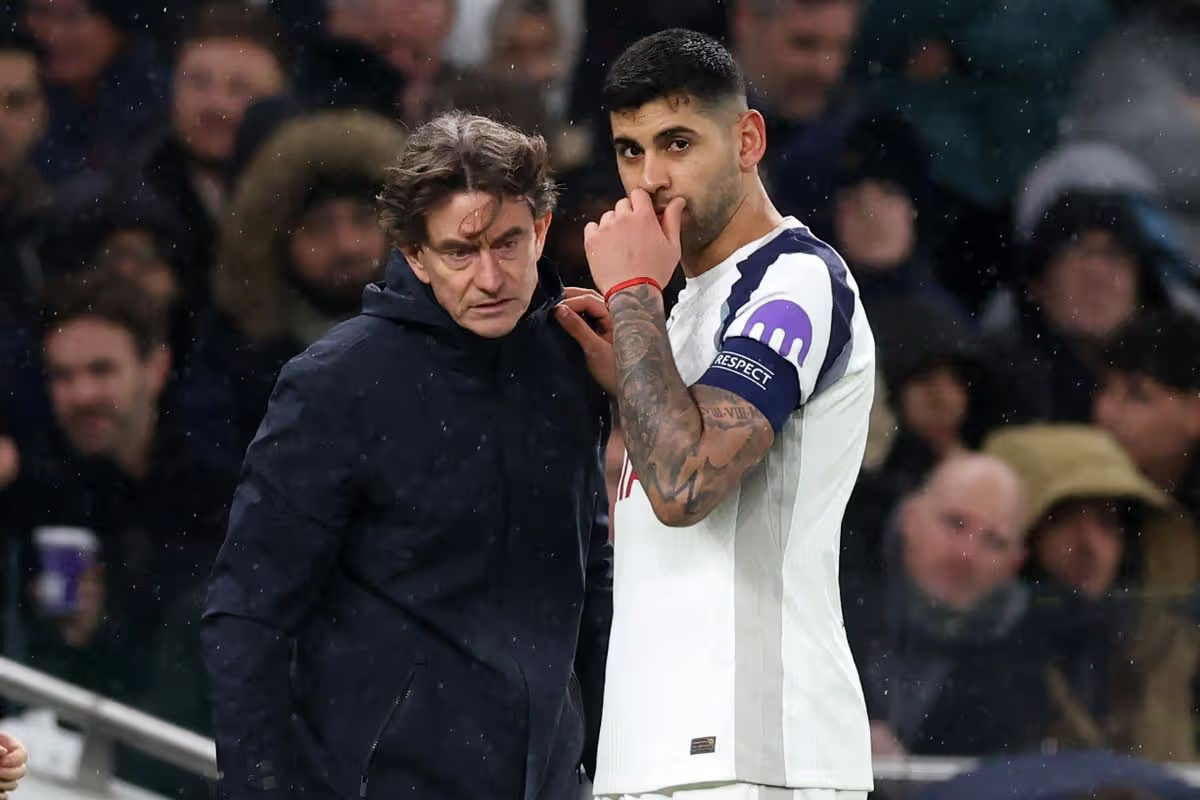
Tottenham Hotspur arrived at the Parc des Princes knowing the scale of the task in front of them. PSG, unbeaten at home in Europe this season and brimming with confidence, were heavy favourites. Spurs, meanwhile, were still reeling from their heavy derby defeat, surrounded by questions about Thomas Frank’s tactics, leadership, and long-term prospects at the club.
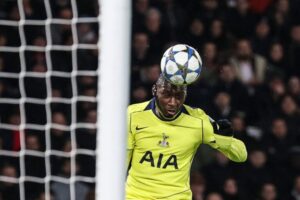




Yet under the glare of Parisian floodlights on Wednesday night, something unexpected unfolded. Tottenham fell short on the scoreboard—PSG’s quality was ultimately decisive—but the performance itself told a deeper story, one that may carry far more weight than a single result.
PSG controlled the early exchanges, pressing with intensity and moving the ball with the kind of fluidity only a squad stacked with elite talent can produce. Their opening goal felt inevitable: a sweeping move that exposed Spurs’ back line and drew groans of familiarity from the travelling supporters. But instead of collapsing, Tottenham responded.
Frank had gambled on a tweaked shape, reverting to a version of the back five that worked so effectively against PSG in the UEFA Super Cup. It wasn’t the conservative setup critics feared—it was measured, aggressive in the right zones, and built to exploit PSG’s moments of defensive complacency. Suddenly Spurs found themselves not just surviving, but asking questions.

Midway through the second half, Tottenham carved out a spell of dominance that silenced the home crowd. Quick combinations through midfield, overlapping wing-backs, and a renewed confidence going forward brought them within inches of an equaliser. A curling effort bounced just wide; a header flashed over the bar. For a moment, PSG looked rattled.
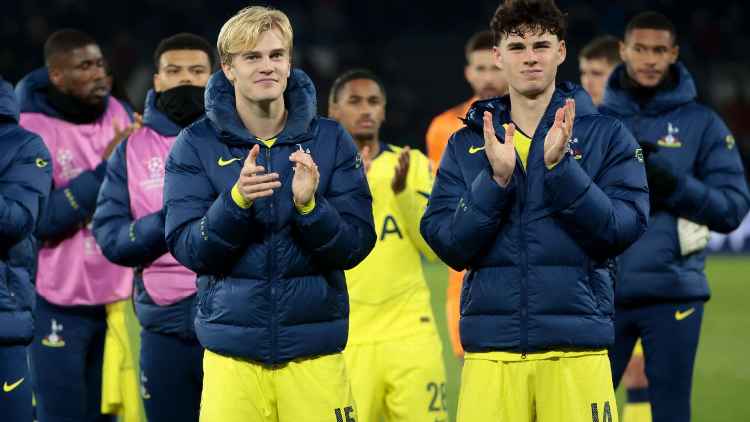
The hosts’ inevitable second goal came against the run of play, a sharp reminder of the gulf in individual brilliance. Still, Tottenham refused to fold. They pushed until the final whistle, and though the match ended 2–0, the applause from the away end at full-time told its own story. This wasn’t resignation—it was recognition.
For the first time in weeks, Spurs played with identity, structure, and belief.
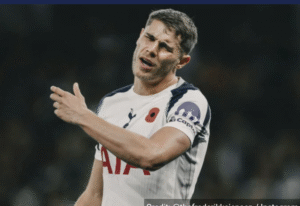
Frank’s post-match demeanour matched the tone of the performance—disappointed yet emboldened. Tottenham are far from perfect, and the challenges ahead remain steep, but the manager may have discovered a pathway forward. A system that protects against elite opposition without sacrificing ambition. A formula that extracts intensity, bravery, and cohesion from a squad desperate to turn the corner.

Defeat in Paris will sting, but it may also mark the moment Tottenham stopped spiralling and started stabilising. If the blueprint holds, this “glorious failure” could become the turning point that Spurs fans look back on as the night everything finally began to make sense.